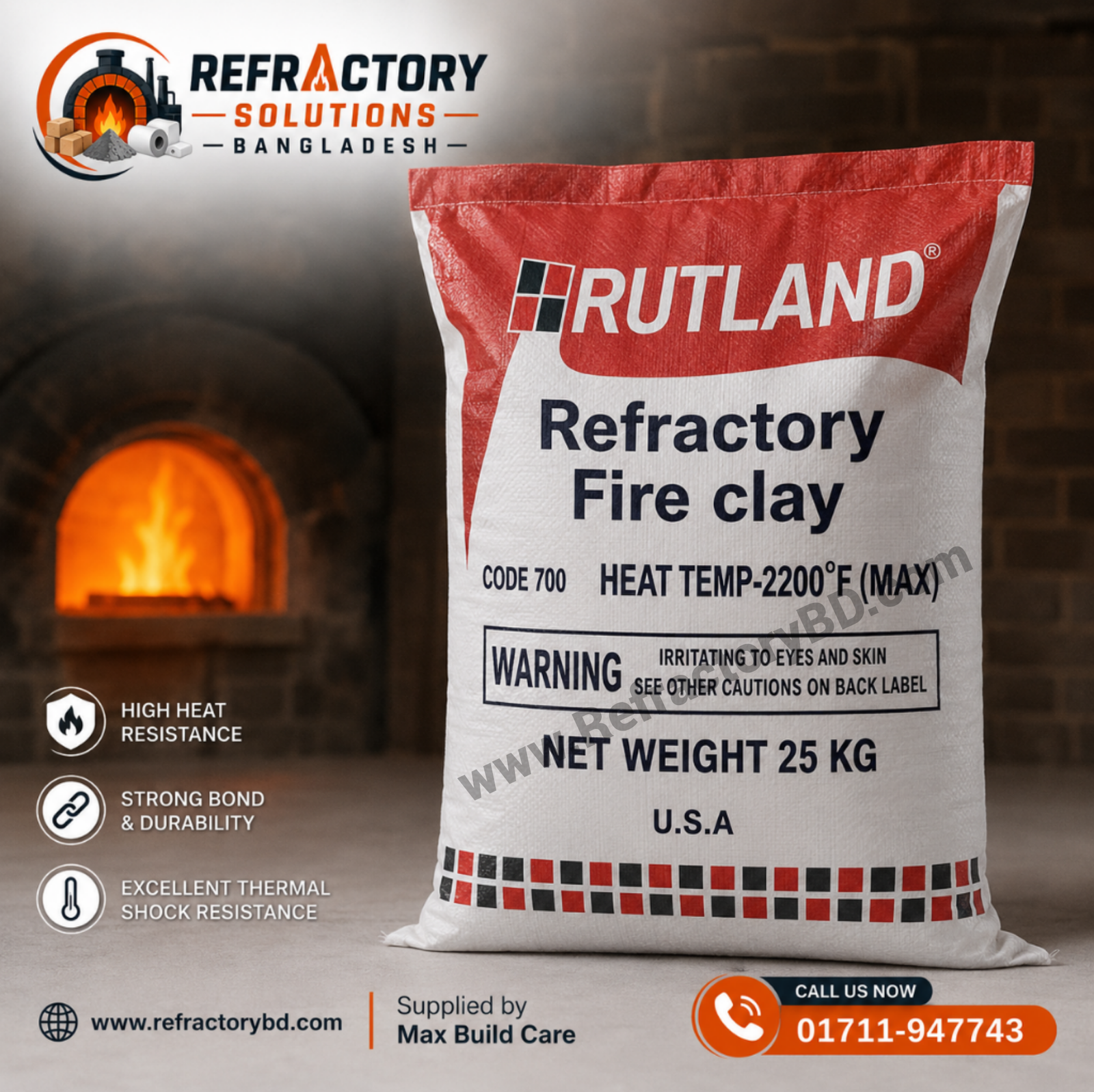
Refractory Fire Clay is a high-temperature resistant clay material used in the manufacturing and repair of refractory bricks, furnace linings, kiln linings, fireclay mortar, and other heat-resistant products. It offers excellent refractoriness, thermal stability, and resistance to thermal shock, making it suitable for furnaces, boilers, foundries, cement plants, and various industrial high-temperature applications.
Refractory Fire Clay is a high-temperature resistant natural clay material widely used in the manufacturing, installation, and repair of refractory products and industrial heat-resistant linings. It is an important raw material in the refractory industry because of its excellent refractoriness, thermal stability, plasticity, and resistance to high-temperature conditions.
Fire clay is primarily composed of hydrated aluminium silicate minerals, with varying amounts of silica, alumina, and other naturally occurring minerals. The exact chemical and physical properties depend on the source and grade of the material. High-quality refractory fire clay is selected according to its alumina content, refractoriness, plasticity, particle size, moisture content, and intended application.
Refractory Fire Clay provides several important properties required for high-temperature industrial applications. It can withstand elevated temperatures without significant deformation when properly selected and processed. Its plastic nature also makes it useful for preparing refractory mixtures, mortars, and shaped refractory products.
Important characteristics include:
Refractory Fire Clay is used in a wide range of industries where materials are exposed to high temperatures. One of its major applications is the production of fireclay bricks and refractory bricks. It can also be used as a component in refractory mortar and castable formulations, depending on the required formulation and technical specifications.
Common application areas include:
Furnaces: Fire clay is used in refractory mixtures and linings for various industrial furnaces where resistance to high temperature is required.
Kilns: It is suitable for refractory construction and maintenance applications in ceramic, cement, lime, and other industrial kilns.
Boilers: Fire clay-based refractory materials can be used around combustion and heat-exposed areas of boilers.
Foundries: Foundries use refractory materials to withstand the heat generated during metal melting and processing.
Fireplace and Chimney Construction: Suitable grades of fire clay are traditionally used in heat-resistant mortar and masonry applications.
Refractory Brick Manufacturing: Fire clay is an important raw material for producing different types of fireclay and aluminosilicate refractory bricks.
One of the important uses of Refractory Fire Clay is in refractory mortar. When appropriately formulated with other refractory raw materials, it can help produce a heat-resistant bonding material for refractory brick installation.
The mortar helps fill joints between refractory bricks and provides a suitable connection between individual refractory units. Proper formulation is important because mortar performance depends on the chemical composition, particle size distribution, water addition, firing conditions, and operating environment.
Industrial heating equipment frequently experiences repeated heating and cooling cycles. These temperature changes can create thermal stresses in refractory materials. Properly formulated fire-clay refractory products can provide resistance to thermal shock and help maintain the integrity of the refractory structure.
The actual thermal shock performance depends on the grade of fire clay, alumina and silica content, formulation, installation method, and operating conditions.
The use of high-quality Refractory Fire Clay can contribute to the production of durable and reliable refractory products. Its workability makes it convenient for preparing different refractory formulations, while its high-temperature characteristics make it suitable for demanding thermal applications.
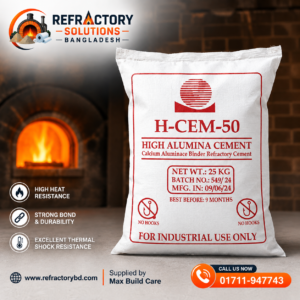
It can also be blended with other refractory raw materials to achieve specific physical and chemical properties. Depending on the application, fire clay may be combined with materials such as grog, alumina, silica, refractory aggregates, and suitable binders.
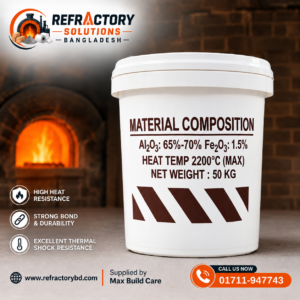
Choosing the correct grade of Refractory Fire Clay is essential for achieving the desired performance. Buyers should consider Al₂O₃ content, SiO₂ content, Fe₂O₃ level, refractoriness, moisture, plasticity, particle size, bulk density, and chemical stability.
For critical industrial applications, the material should be selected according to the manufacturer’s technical data sheet and the specific operating conditions of the furnace, kiln, boiler, or other equipment.
Refractory Fire Clay should be stored in a clean and dry location and protected from excessive moisture. Bags or bulk material should be kept away from direct water exposure and contamination by other materials. Proper storage helps maintain consistent material quality and workability.
During handling, appropriate industrial safety practices should be followed, particularly when dealing with dry powdered materials.
Refractory Fire Clay is a versatile and essential refractory raw material used for high-temperature applications across multiple industries. Its combination of high refractoriness, thermal stability, plasticity, bonding characteristics, and thermal shock resistance makes it suitable for refractory brick manufacturing, refractory mortar, furnace linings, kiln applications, boiler systems, foundries, and other heat-resistant construction requirements.
For optimum performance, the appropriate fire clay grade should be selected according to the required chemical composition, temperature conditions, mechanical requirements, and installation method. Proper formulation, installation, curing, and firing procedures are equally important to achieve reliable and long-lasting refractory performance.